Health and Safety Policy for Man and Van Wapping
 Man and van Wapping operations are built on a clear commitment to safety, professionalism, and care at every stage of a move. This policy sets out the standards that help protect staff, customers, property, and the public during loading, transport, and unloading. It applies to all routine tasks carried out by a Wapping man and van service, from handling furniture to securing items in transit. Our aim is to reduce risk, prevent injury, and maintain a consistent level of safe working practice.
Safety begins with preparation. Before any job, risks are considered so that the team can identify hazards such as heavy lifting, awkward access, wet surfaces, fragile items, traffic, and confined spaces. Where needed, controls are put in place to lower the chance of accidents. This includes using suitable equipment, planning safe routes, and making sure each vehicle is loaded in a stable and balanced way. A man and van in Wapping must be able to adapt to changing conditions while keeping safety as the priority.
 The company expects all workers to act responsibly, follow instructions, and use equipment correctly. Anyone involved in a man and van service Wapping job must wear appropriate footwear and clothing, handle items with care, and stop work if a task appears unsafe. Training is provided so that staff understand manual handling principles, safe lifting techniques, and the correct use of straps, blankets, trolleys, and other moving aids. Safety is everyone’s responsibility, not just management’s.
Working Practices and Risk Control
Manual handling is one of the most important safety areas in removals work. To lower the risk of strain or injury, heavier items are moved by two people whenever necessary, and lifts are planned before the item is raised. Staff are encouraged to bend at the knees, keep loads close to the body, and avoid twisting while carrying. If an item is too bulky, too heavy, or difficult to grip safely, the task is reassessed rather than rushed. This approach supports a safe man and van Wapping operation.
Vehicle safety is equally important. Every vehicle used by the Wapping man with van team is checked regularly to ensure it remains roadworthy and suitable for the work being carried out. Loads are distributed carefully so that items cannot shift during transit. Straps and securing devices are used where needed, and loose objects are not left to move inside the vehicle. Drivers must follow speed limits, drive defensively, and allow extra time when roads are busy or access is restricted.
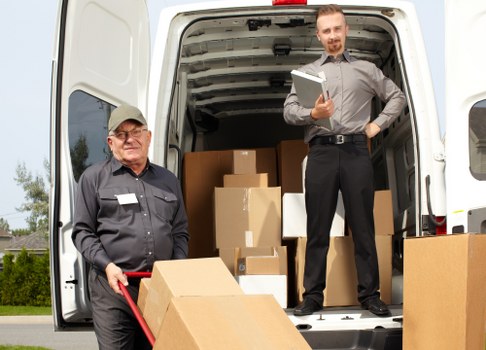 Property protection is part of health and safety because safe work also means avoiding damage and unnecessary disruption. Floors, doorframes, bannisters, and walls are assessed before items are moved through them. Protective materials may be used to reduce the chance of scuffs or impacts. When working in shared buildings or public areas, staff must remain aware of pedestrians, residents, and other road users. A man and van Wapping service should leave every site tidy, hazard-free, and secure.
Health, Communication, and Emergency Response
Health protection is an essential part of the policy. Staff are expected to stay fit for work, report any injury or illness that may affect their ability to work safely, and take regular breaks when a job is physically demanding. Hydration, weather conditions, and fatigue are monitored throughout the day. If a worker becomes tired or unwell, duties are adjusted to reduce the risk of mistakes or accidents. This supports the long-term wellbeing of everyone involved in man and van Wapping operations.
Clear communication helps prevent incidents. Teams should confirm the plan for each move, agree who is responsible for specific tasks, and communicate any concerns before lifting begins. Safe communication is especially important when carrying large items, moving through tight spaces, or reversing vehicles. If the customer has specific requirements, these are discussed in advance so that the job can be carried out safely and efficiently. A Wapping man and van team must always work with clarity and respect.
In the event of an accident, near miss, or sudden hazard, work must stop immediately if needed. First aid arrangements are kept available, and emergencies are handled in line with the seriousness of the situation. Where necessary, the emergency services are contacted without delay. Incidents are recorded and reviewed so that lessons can be learned and future risk reduced. This commitment to learning is a core part of the policy and helps maintain a reliable man and van in Wapping service.
Responsibilities and Review
Management is responsible for providing suitable equipment, safe systems of work, and appropriate training. They must also make sure that vehicles are maintained, workloads are reasonable, and staff understand their duties. Workers are responsible for following procedures, reporting hazards, and using the correct equipment. Customers also play a role by ensuring access routes are as clear as possible and by sharing relevant information about heavy, fragile, or awkward items before the job begins. Safety works best when everyone cooperates.
 This policy is reviewed regularly to make sure it remains effective, practical, and up to date. Changes may be made following incidents, staff feedback, operational developments, or new safety needs identified during daily work. Reviews help ensure that man and van service Wapping standards continue to reflect best practice in transport, lifting, and site awareness. The goal is simple: to protect people, property, and vehicles while delivering a dependable service.
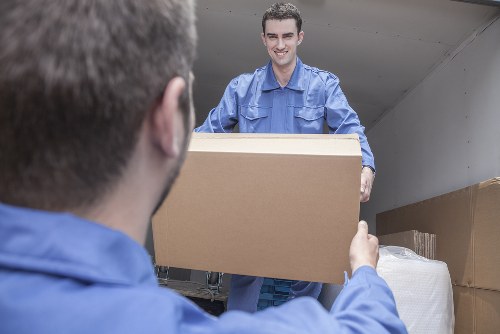 Every man and van Wapping job should be carried out with care, common sense, and attention to detail. By following this policy, the team reduces risk, supports good health, and maintains a professional working environment. Safe practice is not separate from service quality; it is part of it. A well-managed move is one where items arrive safely, workers stay protected, and the work is completed without avoidable harm.