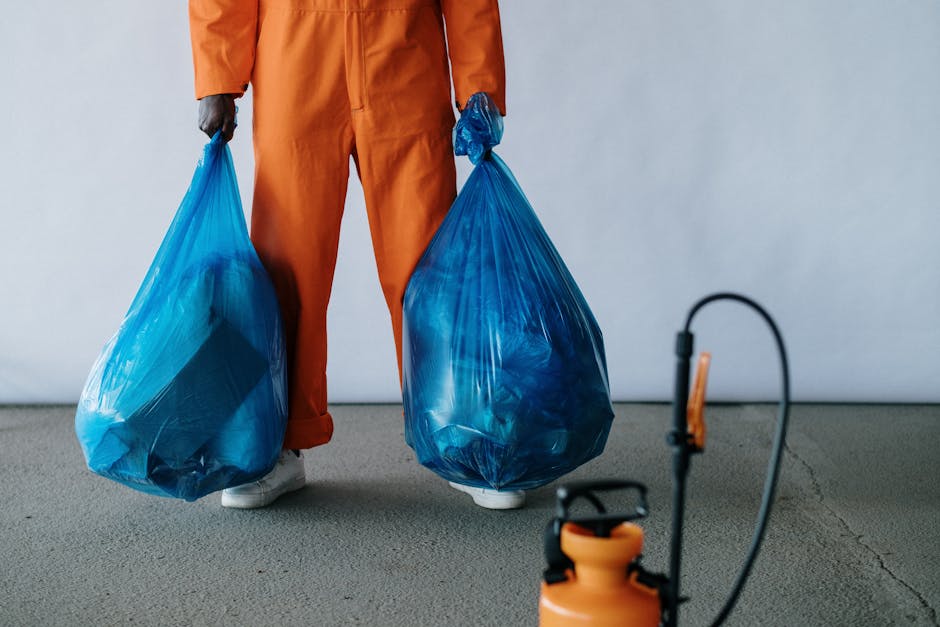
Waste disposal rules for Wapping removals and donation options
Moving home or office in Wapping is rarely just about boxes and keys. There is always the awkward pile at the back: broken furniture, old paperwork, odd bits from the loft, a wobbly chair you meant to fix years ago, and the stuff you might still donate if you can get it out in time. That is where Waste disposal rules for Wapping removals and donation options come in. If you handle waste badly, you can end up with unnecessary charges, delays, or a very messy handover. If you handle it well, the move feels calmer, cleaner, and honestly a lot more manageable.
This guide explains what to keep, what to donate, what to separate for recycling, and what should never be left on the street or bundled into a removal load without thought. It also gives practical ways to plan your clearance so you stay on the right side of local rules and make the most of reusable items. Let's face it: the last week before a move can feel like a small storm. A clear plan helps.
Why Waste disposal rules for Wapping removals and donation options Matters
Wapping moves often involve tight streets, shared entrances, limited loading space, and neighbours who will notice if a skip bag or pile of rubbish hangs around too long. That local reality is exactly why waste planning matters. A move is not just a transport job; it is also a sorting job. You need to decide what goes with you, what should be donated, what can be recycled, and what has to be disposed of properly.
People often underestimate the difference between removal and waste disposal. A removal vehicle can move your belongings, but it should not become a dumping ground for mixed rubbish. Good movers keep waste streams separate where possible, especially for items that can be reused or recycled. That saves space, time, and quite a bit of stress on moving day.
There is also a trust angle. If you are handing over a property, leaving unwanted items behind can create friction with landlords, managing agents, or buyers. In a flat move especially, stairwells and communal areas need to be kept clear. One cluttered hallway can make the whole process feel clumsy, and nobody wants that final awkward conversation.
On the practical side, separating donation items from actual waste can reduce what you need to move, which can affect the scale of the job. If you are arranging broader support such as removals or a smaller vehicle through man and van, less waste usually means fewer trips, less lifting, and a tidier finish.
How Waste disposal rules for Wapping removals and donation options Works
The simplest way to think about it is this: every item in your property should be assigned one of four paths - keep, donate, recycle, or dispose. That sounds basic, but in real life the tricky part is deciding where borderline items belong. Is the dining chair still usable? Are those moving boxes clean enough to pass on? Is the old printer recyclable, or does it need specialist handling? You can see how this gets messy quickly.
In a typical Wapping move, the process works best when you sort before removal day. Keep your reusable items together, separate donation goods into clean, usable groups, and make a clear pile for waste. If you are using services like furniture removals or furniture pick up, it helps to tell the team which items are going where. That way, the right things are loaded in the right order, and there is less guesswork on the pavement with the back doors open.
Donation options usually work best for items that are structurally sound, clean, and safe to use. Think sturdy tables, chairs, mirrors, kitchenware, books, lamps, boxed toys, and some small appliances if they are in decent condition. Soft furnishings are a more careful case because cleanliness and fire safety can matter. When in doubt, keep the item out of the donation pile unless you know it is acceptable.
Waste disposal, on the other hand, should be treated seriously. Broken glass, damaged furniture, paint, old chemicals, sharp metal, and electrical waste may need separate handling. You do not want these items loose in with good furniture or stacked beside something someone might still use. A bit of restraint here goes a long way.
If you are moving from a larger property, office, or mixed-use space, there may be office furniture, archive boxes, and older electronics mixed in too. In that case, a service such as office removals or commercial moves can be especially helpful because the sorting challenge is usually bigger than people expect.
Key Benefits and Practical Advantages
There are obvious environmental benefits to donating and recycling more, but there are also everyday moving benefits that people notice immediately. Here are the ones that matter most.
- Less volume to move: the fewer unwanted items you carry around, the easier the day becomes.
- Lower risk of damage: fewer loose or fragile items means fewer breakages in transit.
- Cleaner property handover: a clearer space makes inspections and final checks much less stressful.
- More value from usable items: good-quality furniture and household goods can still help someone else.
- Better organisation: sorting waste and donations early keeps the move from turning into a last-minute scramble.
There is also a nice side effect that is easy to overlook: decision-making gets easier when you start removing the obvious rubbish first. Once the broken lamp and torn suitcase are gone, you can assess the room with fresh eyes. Strange how that works. A space can feel lighter almost instantly.
If sustainability matters to you, this is one of the simplest parts of the move where you can make a visible difference. The website's own recycling and sustainability approach is relevant here because good moving practice and responsible disposal usually go hand in hand.
Who This Is For and When It Makes Sense
This topic matters to almost anyone moving in or out of Wapping, but some people need it more than others. If you are in a flat with limited storage, if you have lived somewhere for years, or if you are downsizing, you will probably have more items to sort than you think. That is completely normal. The cupboard at the back of the hallway always contains more than expected, doesn't it?
It is especially relevant for:
- Home movers clearing out old furniture, clutter, and miscellaneous household items
- Flat movers dealing with limited access and tight turnaround times
- Students leaving accommodation and needing a fast, sensible clear-out
- Office teams replacing furniture, files, and outdated equipment
- People arranging same-week or short-notice moves
- Anyone who wants to donate usable belongings rather than throw them away
If you are moving with a lighter load, a service like flat removals may be enough. If you have a bigger property, consider whether house removals or even home moves better reflects the scale of the job. The point is not the label; it is choosing a service that matches how much you actually need to move and sort.
For students, the pressure is different: deadlines are tighter, budgets are smaller, and disposal decisions are often made in a hurry. A little planning still helps, and student removals can be a good fit when you need speed without overcomplicating things.
Step-by-Step Guidance
Here is a straightforward way to manage waste disposal rules for Wapping removals and donation options without making it harder than it needs to be.
- Walk through every room. Do a slow sweep. Look in cupboards, under beds, behind doors, and in the loft if you have one. People always miss at least one bag, usually in a place they swore they already checked.
- Create four sorting zones. Keep, donate, recycle, dispose. If you have the room, use different corners or tape labels onto boxes.
- Separate clean reusable items first. Donation items should be good enough for someone else to use without feeling awkward about it.
- Identify anything special. Electrical goods, paint, batteries, sharp objects, and bulky items often need separate handling.
- Box and label donations. Label clearly: kitchenware, books, clean textiles, small household goods. It saves time later.
- Tell your movers what is waste and what is not. If a team is helping with man with van support or a larger removal, clear instructions reduce mistakes.
- Use one final check before loading. Open drawers, check behind doors, and look inside storage furniture. The tiny forgotten stuff can be surprisingly annoying.
- Leave the property tidy. Sweep the floor, remove tape, and confirm nothing is left in shared spaces or communal corridors.
If you are using packing help, the process gets easier because you can sort as you go. Services such as packing and boxes or packing and unpacking services are useful when you want the flow from room to room to stay orderly rather than chaotic.
Expert Tips for Better Results
In our experience, the best waste plans are not the fanciest ones. They are the ones people can actually stick to on a busy Tuesday night when the kettle is on and half the contents of the airing cupboard are staring back at them.
Use the "would I give this to a friend?" test. If the answer is no, it probably belongs in waste or recycling, not donation. It is a blunt little rule, but it works.
Clean donations before boxing them. You do not need to polish everything like it is going on display, but a wiped-down toaster, a dust-free lamp, or neatly folded bedding is much more likely to be accepted.
Don't mix donation and disposal loads. Once the bags look similar, mistakes happen. Keep donation goods in sealed, labelled boxes and waste in separate sacks or containers.
Plan bulky items early. Big pieces of furniture should not be left until the last minute. If a sofa is staying or being donated, decide that a few days in advance so access and lifting can be planned properly.
Use storage if you are not ready to decide. Sometimes the honest answer is: not yet. If an item is useful but you cannot handle it during the move, short-term storage can buy you breathing room. That is often better than rushing into a bad decision.
Keep an eye on access. In Wapping, narrow approaches, shared entrances, and parking constraints can affect how easily waste can be carried out. A little route planning avoids repeated trips and awkward bottlenecks.
Common Mistakes to Avoid
Some of the most common mistakes are simple, but they cause the most disruption. Truth be told, moving day has enough moving parts already.
- Leaving sorting until the morning of the move. This creates pressure and increases the chance of the wrong items going out.
- Assuming all old furniture can be donated. If it is damaged, stained, unstable, or unsafe, donation is usually not the right route.
- Overfilling removal vehicles with waste. Removal teams are there to move items carefully, not to operate as a general rubbish service.
- Forgetting about electrical and hazardous items. These need a separate decision and should not be mixed in casually with household items.
- Ignoring building rules. Some flats and managed buildings are strict about leaving rubbish in common areas. That can become a problem very quickly.
- Not checking whether an item is still complete. A table with missing parts or a chair with a cracked leg may not be suitable for donation, even if it looks fine at a glance.
Another one, and this happens more than people admit: choosing to "deal with it later" and then discovering later means sitting in a half-empty property surrounded by three bags of unsorted stuff. Not ideal.
Tools, Resources and Recommendations
You do not need special equipment, but a few basic tools make the process much smoother. Keep things simple.
- Heavy-duty sacks: good for waste that cannot be donated or recycled easily.
- Cardboard boxes: ideal for clean donation items, paperwork, and lightweight reusable goods.
- Marker pens and labels: the easiest way to stop confusion on the day.
- Furniture blankets or wraps: useful if items are being moved out before donation or recycling.
- Gloves and basic cleaning supplies: especially helpful for lofts, garages, and storage cupboards.
There are also a few service pages that can help if your move involves more than simple household sorting. For example, furniture removals is useful for bulky pieces, while removal van and removal services can suit jobs of different sizes. If speed is the issue, same day removals may be relevant, though you still need to sort waste properly first.
For trust and service expectations, it is worth checking site pages such as insurance and safety, health and safety policy, and terms and conditions. Those pages do not tell you how to sort a wardrobe, obviously, but they do help set a sensible standard for how a move is handled.
Law, Compliance, Standards and Best Practice
For householders, the big thing is to avoid leaving waste in places where it should not be left and to make sure items are handled responsibly. In the UK, waste must be transferred and disposed of properly, and if you are paying someone to remove it, you should have confidence that they are acting in a lawful, sensible way. That is the broad principle. The exact requirements can depend on the item type and the local area, so careful judgement is wise.
Good practice usually means:
- Separating reusable items from genuine waste
- Keeping hazardous or special items apart
- Not dumping waste in communal or roadside spaces without the proper arrangement
- Using a reputable mover or waste handler with clear procedures
- Making sure donation items are clean, safe, and suitable for reuse
Where office items are involved, be even more cautious. Desks, chairs, cables, monitors, and archive materials may have different handling requirements, and data-bearing devices should be considered carefully before disposal. If you are relocating a workplace, office relocation services can help you manage the movement side while you keep disposal decisions tidy and controlled.
Best practice is not about being perfect. It is about being deliberate. If an item might need special treatment, pause and check before it gets loaded. That small pause can save a lot of hassle later.
Options, Methods, or Comparison Table
When you are trying to decide what to do with unwanted items, the choice usually comes down to four practical routes. Here is a simple comparison.
| Option | Best for | Pros | Watch-outs |
|---|---|---|---|
| Donate | Clean, usable furniture and household goods | Supports reuse, reduces waste, often the most satisfying option | Items must be in good condition and accepted by the recipient |
| Recycle | Cardboard, metal, some electricals, and other recyclable materials | Better environmental outcome, often clear and efficient | Items must be sorted correctly; contaminated materials may be rejected |
| Dispose | Broken, unusable, or unsafe items | Clears space quickly when reuse is no longer realistic | Some items need special handling and should not be mixed together |
| Store temporarily | Useful items you are not ready to decide on | Buys time, reduces pressure during a move | Costs more than choosing immediately, so use it carefully |
If the move is small and simple, a man with a van setup may be enough. If the load includes a lot of furniture or mixed items, a bigger vehicle such as a moving truck may be a better fit. The point is to match the method to the actual mix of goods, not just the number of boxes you can see.
Case Study or Real-World Example
A typical Wapping flat move might go like this. A couple is leaving a two-bed apartment near the river after several years, and the spare room has become a storage zone. There is a desk with one broken drawer, two shelving units, a lamp, a few bags of books, old kitchenware, and a sofa that is still usable but no longer suits the new place.
They start by sorting everything into keep, donate, recycle, and dispose. The bookshelf goes with the move, the lamp and kitchenware are boxed for donation, the broken drawer unit is set aside for disposal, and the books are split into keep and pass-on piles. By the time the movers arrive, the load is already cleaner and smaller. The team can focus on moving the right items without navigating a forest of mixed rubbish.
It sounds simple, and it is, but the difference is huge. The corridor stays clear, the lift is used efficiently, and the final property check takes less time. Nobody is standing there at dusk wondering why the recycling pile somehow doubled overnight. That kind of thing happens.
In a larger move, especially one involving home and office contents together, the same logic applies. The only difference is that the sorting list becomes longer and more annoying. Still worth it.
Practical Checklist
Use this quick checklist before moving day. It keeps the process grounded.
- Have I separated keep, donate, recycle, and dispose piles?
- Are donation items clean, complete, and safe to use?
- Have I checked for batteries, liquids, sharp edges, or damaged electrical items?
- Do I know which items need special handling?
- Have I labelled boxes clearly so nobody has to guess later?
- Have I told the removal team what must stay, what is being donated, and what is waste?
- Have I checked building access, loading space, and any time restrictions?
- Have I planned for bulky pieces early enough?
- Do I need temporary storage for items I am not ready to part with?
- Have I left enough time for a final sweep before handing back the keys?
That last check matters more than people think. Ten minutes at the end can save a whole morning of annoyance later.
Get a free quote today and see how much you can save.
Conclusion
Waste disposal rules for Wapping removals and donation options are really about making the move cleaner, safer, and more thoughtful. When you sort items properly, you protect yourself from avoidable problems and make room for better outcomes: a smoother handover, fewer loads, and useful items going to people who can actually use them. That feels better, full stop.
The best moves are rarely the ones where everything goes perfectly. They are the ones where the planning is sensible enough to absorb a few surprises. If you keep your waste separate, your donations clean, and your removal plan realistic, you will already be ahead of most people. And in a place like Wapping, that extra bit of order goes a long way.
One careful decision at a time is usually enough. That is the quiet secret.
Frequently Asked Questions
What counts as waste during a Wapping house move?
Waste usually includes broken, unusable, or unwanted items that cannot reasonably be reused or donated. That might be damaged furniture, torn textiles, old packaging, or faulty household goods. If an item still works and is clean enough for someone else, it may be better suited to donation or reuse.
Can I put all unwanted items in one removal van load?
Technically, you can load items together for transport, but they should not all be treated the same way. Good practice is to separate donation goods from disposal waste before loading. That keeps the process clearer and helps prevent usable items from being thrown away by mistake.
What items are usually suitable for donation?
Generally, donation items are clean, safe, and complete. Common examples include usable furniture, books, kitchen items, lamps, and some textiles. If something is broken, stained, or unstable, it is less likely to be suitable. When in doubt, be conservative.
Are electrical items allowed in donation boxes?
Sometimes, yes, if they are in working order and the recipient accepts them. But many electrical items need extra care because of safety, testing, or handling rules. If you are unsure, keep them separate from standard household donations and avoid guessing.
How early should I sort waste before moving day?
Ideally, a few days before the move, and earlier if you have a lot of clutter. Starting early gives you time to make sensible decisions and avoids the last-minute pile-up that turns a tidy plan into a rushed one.
What if I am downsizing and do not know what to keep?
That is very common. Try the keep, donate, recycle, dispose approach, then use storage for any items you genuinely cannot decide on yet. Downsizing often goes better when you make decisions in stages rather than all at once.
Can movers take away rubbish as part of a removal job?
Sometimes movers can transport separated waste or unwanted items, but you should not assume every removal service handles rubbish in the same way. Be clear in advance about what is being moved, what is being donated, and what is waste. Clarity saves awkwardness.
Do I need to clean donation items first?
Yes, it is usually a very good idea. Donation items should be presentable and safe to pass on. A quick wipe, emptying drawers, and checking for missing parts all help. Nobody wants to donate an item that arrives looking half-forgotten.
What should I do with bulky furniture I do not want to keep?
First decide whether it is suitable for donation, then whether it needs removal or disposal. Large items often need a bit of planning because they can affect access and timing. If it is too soon to decide, temporary storage may help.
How do I avoid leaving a mess in a flat or shared building?
Sort everything before loading, keep communal areas clear, and do a final sweep of corridors, cupboards, and storage spaces. In shared buildings, even small piles can create problems, so it is worth being a little stricter than usual.
What is the safest approach for a move with mixed household and office items?
Separate the work into categories first. Office items, electronics, paperwork, and household goods should not be treated as one big pile. If needed, use a service that can handle the larger scale of the move, and keep disposal decisions visible all the way through.
Is it worth arranging storage for items I may donate later?
Sometimes, yes. If you are short on time or not emotionally ready to part with certain items, storage gives you breathing space. It is not the cheapest answer for everything, but it can be the calmest one when the move is already busy enough.