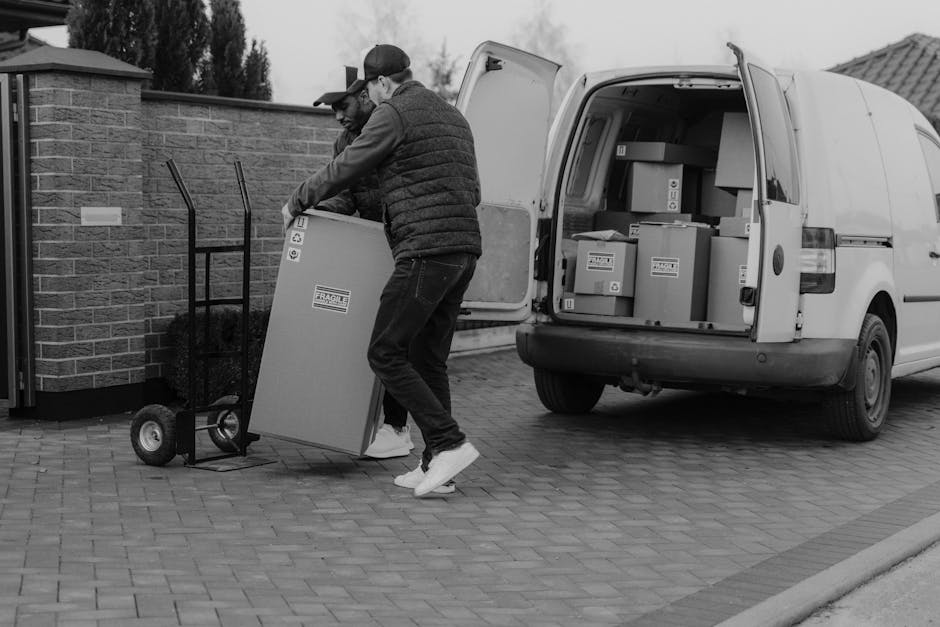
Wapping Wall man and van solutions for tight access moves

If you are moving around Wapping Wall, you probably already know the awkward bits: narrow streets, limited stopping space, tight stairwells, awkward corners, and the sort of access issues that can turn a simple move into a long morning of heavy lifting. That is exactly where Wapping Wall man and van solutions for tight access moves earn their keep. The right setup can save time, reduce risk, and stop a cramped entrance from becoming a stressful one. And yes, a little planning goes a long way - more than most people expect.
In this guide, we will break down how tight access moves work, what to check before booking, where the real risks sit, and how to choose the best approach for a flat move, furniture delivery, student move, office job, or same-day run. We will also cover practical steps, a useful checklist, and the kind of details that help you avoid the usual headaches. Truth be told, a careful move often looks boring from the outside. That is usually a good sign.
Why Wapping Wall man and van solutions for tight access moves Matters
Tight access moves are not just about fitting a van near the door. They are about how the entire move flows when the obvious route is blocked, narrow, or a bit awkward. In Wapping Wall, that can mean dealing with restricted kerbs, short loading windows, steps to the entrance, basement flats, or a building where the lift is, to put it kindly, not your best friend.
This matters because access problems multiply quickly. If a team arrives with the wrong vehicle size, too few helpers, or poor pre-move information, what should have been a tidy handover can become a string of delays. You will notice the difference most when items are large, fragile, or difficult to carry: wardrobes, desks, boxed books, white goods, and anything that needs turning through a tight hallway.
For local moves, the value of a well-planned man and van service is not glamour. It is control. It gives you a way to handle practical challenges without automatically jumping to a full-size removal lorry that may simply be too much for the street or the site. For a wider move, you might still need a bigger operation such as removals or house removals, but for many tight-access jobs, a smaller and more adaptable setup is the smarter choice.
Expert summary: tight access moves are won or lost before the van arrives. Accurate access details, sensible vehicle sizing, and clear loading plans matter more than people think.
How Wapping Wall man and van solutions for tight access moves Works
At its simplest, a man and van move pairs a suitably sized vehicle with one or more movers who can load, carry, transport, and unload your items efficiently. For tight access, the real skill is in matching the setup to the environment. That might mean using a smaller van, parking a little further away, bringing extra equipment, or planning for a carry from the vehicle to the property.
The process usually starts with an access check. This is where you explain the layout: stairs, lift size, parking options, road width, doorway clearance, and whether the load needs to pass through internal corridors, shared entrances, or a rear passage. The team then decides whether the job suits a standard man and van, a smaller removal van, or a broader service like man with a van if the load is light and access is the main issue.
On the day, the team should arrive with a practical plan. That means protecting floors where needed, carrying straps or trolleys where useful, and knowing which items should go first. In a tight stairwell, for example, you want the heavy furniture moved before the hallway fills with boxes. Sounds obvious. But under pressure, obvious things are the first to disappear.
Good operators also keep an eye on timing. If access is restrictive, loading can take longer than a standard curbside move. That does not mean the job is problematic; it just means the quote and schedule should reflect reality rather than wishful thinking. A clear quotation from pricing and quotes helps here, especially when your move needs a more tailored plan.
Key Benefits and Practical Advantages
The main benefit is obvious: you get a move that fits the space instead of fighting it. But there are a few more advantages worth spelling out, because tight access work is often about reducing friction more than simply moving boxes from A to B.
- Better vehicle matching: smaller vehicles are easier to place near entrances, loading bays, and narrow roads.
- Reduced handling risk: experienced movers know how to turn, lift, and carry items in awkward spaces without banging walls or door frames.
- Less wasted time: a planned route in and out of the property cuts down on back-and-forth shuffling.
- More flexibility: man and van setups are often easier to adapt if access changes on the day.
- Cost control: for smaller or moderate jobs, you may avoid paying for capacity you do not need.
There is also a quieter benefit: peace of mind. If you have ever stood in a hallway with a sofa that definitely looked smaller in the shop, you will know what I mean. A good team removes that uncertainty. They do not promise magic, just workable solutions. Which, frankly, is better.
For people with a mix of boxes and bulky furniture, this kind of service can be paired with furniture removals or furniture pick up where appropriate. If you are moving into a flat with limited lift access, flat removals may also be a better fit for the overall move plan.
Who This Is For and When It Makes Sense
Tight access solutions are not just for people living on a narrow street. They are useful for anyone whose property, building, or item list makes a standard van setup awkward. That includes:
- people moving in or out of converted flats;
- tenants on upper floors with small stairwells;
- students with limited furniture but awkward access;
- small businesses moving equipment through shared entrances;
- households with heavy items but no easy parking;
- anyone needing a short-notice or same-day move.
In practice, the best fit depends on both item volume and access complexity. A small one-bedroom move with a difficult entrance can be trickier than a larger move with easy vehicle access. That surprises people sometimes. But it is true. A mile of boxes is not always the problem; often it is the single staircase and the two sharp turns.
If you are a student or moving between compact homes, services such as student removals and home moves can be a sensible starting point. For a commercial move with a constrained doorway or basement access, commercial moves or office removals may be more appropriate.
Step-by-Step Guidance
Here is the practical way to approach a tight access move so nothing important gets missed.
- Measure the access points. Check door widths, stair landings, lift dimensions, and any low ceilings or narrow turns. If a sofa has to pivot on a landing, that detail matters.
- Explain parking and loading options. Tell the mover where a van can stop, whether loading is roadside, and whether there are restrictions on the street.
- List the awkward items first. Large wardrobes, mattresses, glass tables, filing cabinets, and pianos should be highlighted early.
- Choose the right service level. A smaller van may be enough. Or you may need a larger vehicle and extra labour. If the job is complex, compare options such as removal services and removal truck hire.
- Pack with carry routes in mind. Use sturdy boxes, keep them manageable, and avoid overfilling. Heavy books in a giant box is a classic mistake, and it always comes back to bite someone.
- Protect the property. Floor coverings, blankets, and corner protection reduce damage risk in narrow hallways.
- Build in a little time buffer. Tight access is not a stopwatch race. A few extra minutes can prevent rushed lifting.
- Confirm the plan in writing. It helps to have the agreed vehicle, access notes, and timing set out clearly before moving day.
If the move is happening very quickly, you may want to compare it with same day removals. That can be useful when the access issue is only part of the story and time is tight as well.
Expert Tips for Better Results
Small details make a big difference in tight access jobs. The move may look straightforward from the pavement, but that is often where the trouble starts.
- Send photos if you can. A few pictures of the hallway, entrance, stairs, and parking spot are more useful than a long description.
- Split large furniture early. If a bed frame, table, or shelving unit can be dismantled safely, do it. Reassembly is usually easier than wrestling with a bulky object in a corridor.
- Use smaller boxes for heavy contents. It is a tiny habit, but it saves backs and walls.
- Keep the route clear. Shoes, umbrellas, recycling bins, and random clutter matter more than people think when space is tight.
- Prioritise fragile items. If something is delicate and awkward, it should be handled before the move becomes crowded and noisy.
- Ask about insurance and safety. If anything feels unclear, review the provider's approach to insurance and safety before you confirm the booking.
One good habit is to walk the route from the front door to the vehicle before loading starts. It sounds almost too simple, but it helps you spot the handrail that catches bags, the tight corner that needs a pivot, or the step everyone forgot about. Those little things can make or break the flow.
And do not underestimate morale. A calm, organised move is easier for everyone involved, including the person opening the door with a kettle in hand wondering how on earth the wardrobe is going to pass through. We have all seen that look.
Common Mistakes to Avoid
The most common problems in tight access moves are not dramatic. They are mundane, which is exactly why they are easy to miss.
- Underestimating the access restrictions. A street may look passable until a van arrives and discovers there is nowhere practical to stop.
- Forgetting internal obstacles. Door handles, narrow bends, low ceilings, and shared hallways all affect the move.
- Booking the wrong vehicle size. Bigger is not always better. Too large, and you create new problems; too small, and you create repeat trips.
- Poorly packed boxes. Loose lids, weak tape, and overloaded cartons slow everything down.
- Not mentioning large items upfront. A piano or oversized sofa should never be a surprise on arrival.
- Assuming parking will sort itself out. In a busy area, it rarely does.
There is also a subtle one: people sometimes think the quickest quote is the best quote. It is not always. A quote that ignores access details may look cheaper at first, then turn messy once the team arrives and real life does its thing. Better to be honest early.
Tools, Resources and Recommendations
You do not need a warehouse of equipment for a tight access move, but a few practical tools can make a lot of difference. The right kit depends on the job, yet the usual favourites are easy enough to understand.
- Furniture blankets: useful for protecting polished surfaces, table tops, and door frames.
- Straps and ties: help secure loads in transit and reduce movement.
- Sturdy trolleys: handy for heavier boxes or appliances where the route allows.
- Protective covers: good for mattresses, sofas, and soft furnishings.
- Quality packing materials: boxes, tape, and paper that hold up under carrying and stacking.
If you are still packing, it can be worth looking at packing and boxes or a fuller packing and unpacking services option. For longer or phased moves, storage can also be useful if the property access means items need to be split over more than one day.
For businesses, especially those moving equipment, files, or stock through compact entrances, a service like office relocation services can help structure the move around working hours and access limits. That matters more than people think when shared building entrances are involved.
Law, Compliance, Standards, or Best Practice
For most customers, the key compliance concerns are safety, responsible handling, and honest description of the job. In the UK, movers and customers generally work best when they treat access, loading, and lifting as practical safety issues rather than afterthoughts.
Good practice usually includes:
- sharing accurate access details before the job starts;
- not overloading boxes or lifting beyond safe limits;
- using sensible manual handling techniques;
- protecting property surfaces where appropriate;
- checking what is covered by the provider's terms and conditions.
It is also sensible to understand the basics of payment handling, cancellation terms, and service limitations before you commit. If you want to read the company's approach to that side of things, payment and security and terms and conditions are the right places to look. For environmental considerations, especially if old items need disposal or reuse planning, recycling and sustainability is worth a glance too.
That may sound a bit formal, but it is really about keeping the move straightforward. Clear expectations protect both sides. No surprises, no confusion, no awkward "we thought the sofa was staying" moments.
Options, Methods, or Comparison Table
Not every tight access move needs the same solution. The best choice depends on how much you are moving, how awkward the access is, and whether speed or simplicity matters more.
| Option | Best for | Strengths | Watch-outs |
|---|---|---|---|
| Man and van | Small to medium moves with awkward access | Flexible, nimble, practical for short carries | May need more than one trip if volume is underestimated |
| Removal van | Moves needing a compact vehicle size | Easier parking and access in narrow streets | Limited space compared with larger vehicles |
| Removal services | More complex or higher-volume moves | Broader support, often more planning | Can be more than you need for a small job |
| Moving truck hire | Bulkier loads with easier access | Higher capacity for larger household contents | Not ideal where street access is very tight |
If you are unsure which option fits best, think about the route first and the load second. That sounds backwards, but for tight access it is often the right order. A move with awkward access and modest volume can still need a smarter setup than a larger move with easy drive-up access.
Case Study or Real-World Example
Consider a typical local move: a one-bedroom flat with a narrow entrance, a short flight of stairs, and a road where parking is awkward mid-morning. The customer has a sofa, a double mattress, several boxes of books, a desk, and a few fragile kitchen items. Nothing outrageous. Nothing that looks difficult on paper. Then you see the hallway.
In that kind of move, the smartest solution is often a compact van, a small crew, and a clear loading order. The lighter boxes come out first to open the route. The desk is protected and taken carefully around the bend. The sofa is checked against the doorway before anyone commits to the lift. A quick pause can save a lot of scraping and swearing. And yes, someone usually mutters, "it looked wider yesterday."
What made the difference was not brute force. It was preparation: the mover had access notes in advance, the parking plan was realistic, and the customer had packed boxes that one person could carry safely. The move finished cleanly, with no damage and no need for extra trips. That is what good tight access planning looks like in the real world. Quietly competent. Not flashy, but very effective.
Practical Checklist
Use this checklist before the move. It is simple, but that is the point.
- Measure doorways, stairs, and any narrow turns.
- Confirm where the van can stop legally and safely.
- List bulky items, fragile items, and anything unusually heavy.
- Tell the mover about lifts, basements, shared entrances, and steps.
- Pack heavy items into smaller boxes.
- Use good tape, strong boxes, and clear labels.
- Protect floors, corners, and furniture surfaces where needed.
- Check whether you need help with dismantling or reassembly.
- Review pricing, timing, and service details before confirming.
- Keep a contact number handy on moving day in case anything changes.
If you are moving a smaller load and want a simple, flexible setup, man with van can be a useful starting point. For larger or more complicated household moves, house removalists or house removals may be a better fit.
Get a free quote today and see how much you can save.
Conclusion
Wapping Wall man and van solutions for tight access moves are really about practical problem-solving. When a property is awkward, a vehicle is too large, or the route is narrow and unforgiving, the right setup makes the whole day smoother. The best results come from honest access details, sensible packing, and a move plan that respects the space you are working with.
Whether you are shifting one room's worth of furniture, managing a compact flat move, or trying to move a small office without causing chaos, careful planning will always beat guesswork. That is the real lesson here. A tidy move is often the result of a few unglamorous decisions made early. And that is perfectly fine. Actually, it is ideal.
Take your time with the access details, choose the right support, and the move becomes far less daunting than it first appears. A little calm at the start can make the whole day feel lighter.
Frequently Asked Questions
What counts as a tight access move?
A tight access move is any job where the property or street makes loading and carrying harder than usual. That can include narrow staircases, small doorways, awkward corners, restricted parking, or a long carry from the van to the entrance.
Is a man and van service suitable for flat moves?
Yes, often it is. A man and van setup is commonly used for compact flat moves, especially where access is awkward or the volume is moderate. If the move is larger or more complex, flat removals may be more suitable.
How do I know what vehicle size I need?
The best way is to think about both volume and access. If parking is limited or the street is narrow, a smaller vehicle may be better even if you have a fair amount to move. Share photos and item details with the provider before booking.
Can tight access moves cost more?
They can, because they often take more time or require more care. The final price depends on factors like carry distance, the number of movers, vehicle size, and how complicated the access is. A clear quote is the easiest way to avoid surprises.
What should I tell the mover before the job?
Tell them about stairs, lifts, parking, loading restrictions, large furniture, fragile items, and any problem areas such as narrow hallways or low ceilings. The more accurate the details, the better the plan.
Do I need to dismantle furniture for a tight access move?
Not always, but it is often helpful for larger items. Beds, tables, and shelving can sometimes be taken apart to make the move safer and quicker. If you are unsure, ask during the booking stage.
Is same-day booking possible for tight access moves?
Sometimes yes, depending on availability and how much planning the move needs. If the job is straightforward, same day removals may be an option. For more complex jobs, advance notice is better.
How can I protect my property during the move?
Use floor coverings, keep routes clear, and make sure the movers know where the fragile corners and tight spots are. Protection helps most in narrow hallways and around stairs, where contact is more likely.
What if I need storage during the move?
If access issues mean you cannot move everything at once, temporary storage can help split the job into more manageable parts. It is also useful if completion dates or handover timings do not line up neatly.
Are office moves with tight access handled differently?
Usually, yes. Offices often involve desks, chairs, files, and equipment that need careful handling and timing around staff or building access. Office relocation services can be the better fit when the move has both access and operational constraints.
What is the main mistake people make with tight access moves?
The biggest mistake is underestimating the access problem. People often focus on how much they have to move, not how hard it is to get it in and out. That one assumption causes a lot of unnecessary stress, honestly.
Where can I check safety and service terms before booking?
You can review the provider's approach through the pages on health and safety policy, insurance and safety, and terms and conditions. Those details help set expectations properly.