Council parking rules that affect Wapping man and van jobs
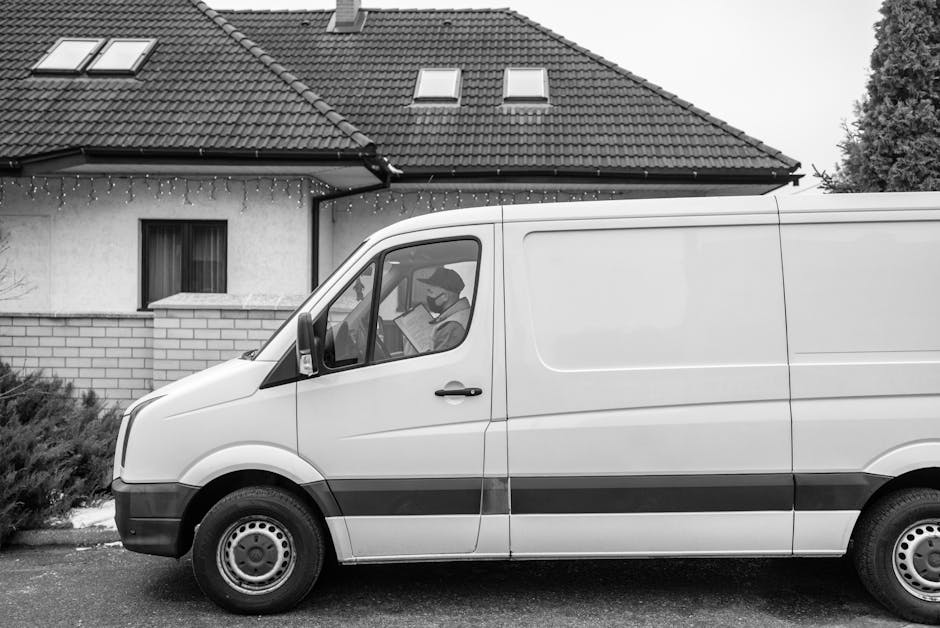
If you have ever tried to load a van on a tight London street while someone is waiting behind you, you already know the feeling: one small parking issue can throw the whole move off. In Wapping, that matters even more. Council parking rules that affect Wapping man and van jobs can influence where the vehicle stops, how long loading takes, whether the driver needs a permit, and how much stress the customer feels on the day.
This guide breaks it all down in plain English. You will learn why these rules matter, how they usually work in practice, what can go wrong, and how to plan a smoother move. It is written for anyone arranging a local move, booking a man and van service, or comparing options for a flat move, office move, furniture pick-up, or same-day job. Truth be told, the parking side is often the bit people forget until 8:15 on a wet weekday morning. That is usually when the headache starts.
Why Council parking rules that affect Wapping man and van jobs Matters
Wapping is a place where access can look simple on a map and then become oddly tricky in person. Narrow roads, riverside traffic, controlled parking zones, loading restrictions, permit-only bays, and the general pressure of London road space all change the way a move has to be handled. For a man and van job, that can mean the difference between a tidy, efficient load and a stop-start shuffle that eats time and patience.
Parking rules matter for three reasons.
- They affect timing. If a van cannot stop close enough to the property, movers spend longer walking items to and from the vehicle.
- They affect cost. Extra waiting, additional labour time, or a second trip can push a quote up.
- They affect risk. Poor parking choices can lead to fines, complaints, blocked traffic, or awkward damage claims if the vehicle has to stop in a rushed or unsafe way.
That is why a good move in Wapping is never just about muscle and a van. It is about planning the route, understanding local loading conditions, and choosing the right stopping point before the first box comes down the stairs. If you are arranging a move with removal services or a one-off furniture run, those small details can save a lot of grief.
In busy parts of East London, parking is not a background detail. It is part of the job plan.
How Council parking rules that affect Wapping man and van jobs Works
The basic idea is straightforward: councils control parking on public roads through permits, restrictions, loading rules, and bay types. For a man and van booking, the driver has to fit the move into those rules rather than assume the van can stop anywhere. Sounds obvious, but in a live move, people still get caught out.
In practice, the main things to check are:
- Controlled parking zones and any resident or visitor permit requirements
- Loading bays and the time limits attached to them
- Single yellow lines and the hours when loading is allowed
- Double yellow lines and whether loading exemptions may apply
- Suspended bays for roadworks, events, or temporary restrictions
- Access barriers or width limits that affect larger vans and moving trucks
For a typical Wapping move, the driver may need to pause very close to the property, load quickly, and then move on. That sounds easy enough until the street is full, the lift is slow, the flat is on the third floor, and the only clear space is already taken. You can see why planning becomes the real service, not just the transport.
Different jobs are affected in different ways. A flat removal might need a very short curbside stop. A commercial move may need timed loading near an office entrance. A one-item furniture removal may need just a legal bay and a quick hand-carry. Meanwhile a larger moving truck may simply be too awkward for some streets if the parking layout is tight. That is where local know-how earns its keep.
Key Benefits and Practical Advantages
Getting the parking side right does more than avoid a ticket. It improves the whole moving experience. And yes, the boring planning bit often has the biggest payoff.
- Faster loading and unloading: the closer the van can get, the less time everyone spends carrying awkward things across the pavement.
- Lower stress on moving day: fewer surprises, fewer arguments with neighbours, fewer last-minute "where on earth can we stop?" conversations.
- Cleaner pricing: if the parking plan is realistic, the quote is usually easier to stick to.
- Safer handling: less distance from door to vehicle means less chance of knocking furniture, scraping walls, or twisting a back on the stairs.
- Better customer experience: the move feels organised instead of rushed.
There is also a subtle advantage people do not always mention: good parking planning makes the van crew look calm. That matters. A calm crew tends to work more carefully, and that usually means fewer mistakes. Nobody wants to be juggling a sofa while checking the clock and scanning for a traffic warden.
For households using home moves or students booking student removals, the benefit is even clearer. You are often under time pressure, maybe between tenancies, and parking chaos can ruin an otherwise straightforward day.
Who This Is For and When It Makes Sense
This topic matters to anyone moving goods in or out of Wapping, but it is especially useful for a few groups.
- Residents moving flat to flat: parking near apartment blocks can be tight, and lift access may add more time than expected.
- Landlords and tenants: end-of-tenancy moves are often squeezed into narrow time windows.
- Small businesses: shop stock, office equipment, and archive runs often need timed access.
- Families downsizing: bigger items need careful loading, and nobody wants to carry a dining table half a block if it can be avoided.
- Anyone with a same-day job: last-minute bookings have less room for error, so parking planning becomes even more important.
It also makes sense if you are comparing a removal van against a larger vehicle or deciding whether to use removals help at all. In some streets, the smaller option is not just cheaper; it is simply more practical.
To be fair, if your move is a single suitcase and a chair, you may not need a full parking strategy. But once you are dealing with beds, wardrobes, boxes, or office kit, the local parking picture starts to matter very quickly.
Step-by-Step Guidance
Here is a practical way to approach council parking rules before a Wapping man and van job. It is not glamorous, but it works.
- Check the exact pickup and drop-off addresses. Do not rely on the postcode alone. A side street, estate entrance, or riverside access point can change everything.
- Look at the road layout in real terms. Ask whether the van can stop close to the door, whether there is a bay nearby, and whether the road is one-way or particularly narrow.
- Confirm any loading restrictions. Some streets allow loading only within certain times. Others may allow stopping for loading but not long waits.
- Plan for the heaviest item first. If the move includes furniture, a piano, or large boxes, think about the shortest route from property to vehicle.
- Build in buffer time. In London, a "quick stop" can turn into ten extra minutes very easily. Sometimes that is just how it goes.
- Decide who is watching the van. If one person can stay close to the vehicle while another carries items, loading tends to go more smoothly.
- Check the end of the job too. Parking matters at the destination as much as the collection point.
If you are moving from a busy block, it is often sensible to split the job into clear phases: get the van parked legally, move the essentials first, then return for the remainder. That sounds slower, but in practice it can be faster than trying to squeeze everything into one cramped, rushed loading sequence.
For fragile or specialist items, such as a piano or extra-heavy furniture, a little more planning helps. Services like piano removals or furniture pick-up are much smoother when the parking position is settled before the lifting starts. Simple idea, big difference.
Expert Tips for Better Results
Here are the small things that often separate a stressful move from a decent one.
- Choose the loading side before arrival. If the pavement side or bay position changes, the whole loading flow changes too.
- Keep paperwork handy. If a permit, booking reference, or job note is needed, make sure it is easy to find. Fumbling through emails on the street is nobody's favourite moment.
- Use the shortest carry path for fragile goods. Mirrors, glass tables, monitors, and framed art benefit from reduced handling.
- Avoid peak congestion where possible. Early morning or late-morning slots can sometimes be easier than the middle of the day, depending on the street.
- Ask about vehicle size. A smaller van can sometimes park where a larger one simply cannot, which saves time and avoids awkward manoeuvres.
- Leave room for the unexpected. Delivery trucks, refuse collections, and neighbour parking can all affect the plan by a tiny but annoying amount.
If you are booking a job that includes packing, use it to your advantage. The more ready the items are before the van arrives, the less likely you are to get caught paying for the driver to wait. Services such as packing and boxes or packing and unpacking services can reduce that scramble quite a bit.
One slightly old-school but still useful trick: stand outside the property for two minutes before the van arrives and look at the road as if you were the driver. Where would you stop? Where would the trolley go? Where is the dead space? That quick scan often reveals the problem before it becomes a problem.
Common Mistakes to Avoid
Most parking mistakes are not dramatic. They are just expensive, annoying, and easy to prevent.
- Assuming stopping is the same as parking. Not always. Local rules often distinguish between loading and standing around.
- Ignoring timed restrictions. A bay that works at 10 a.m. may not work at 3 p.m.
- Forgetting the destination. People plan the collection, then discover the drop-off street is worse.
- Choosing a vehicle that is too large. Bigger is not always better in Wapping. Sometimes it is just harder to place legally.
- Not leaving enough loading time. The move always takes longer than the fastest possible version in your head. Always.
- Leaving the route check too late. If the driver only learns about parking trouble on arrival, you have already lost time.
A common one is underestimating how much a building layout affects the schedule. You may think, "It is just one sofa and a few boxes." Then the lift is occupied, the corridor is narrow, and the only legal stop is further away than expected. That is when the day starts to wobble.
If you are booking a full house move or a bigger relocation, it is worth looking at house removals or office removals in a way that factors in local parking from the outset, not as an afterthought.
Tools, Resources and Recommendations
You do not need fancy software to manage parking well, but a few simple tools and habits help a lot.
- Phone maps and street view: useful for checking road width, bay layout, and nearby turning space.
- Notes app: keep a short record of access details, floor level, lift access, and parking instructions.
- Printed job summary: handy when signal is weak or your phone battery is not behaving. Because naturally, that is when the battery dies.
- Clear communication with the mover: a quick message about access problems can prevent a lot of awkwardness later.
For businesses, it can help to align parking planning with broader move preparation. That means confirming the office layout, item list, timing, and unloading route together rather than one at a time. If the job is commercial, a service like office relocation services may be the better fit because it brings the moving and access planning into the same conversation.
If storage is part of the move, parking still matters at collection and at the handover point. In those cases, a plan that includes storage can help you spread the move across two calmer stages instead of one rushed afternoon.
Law, Compliance, Standards, or Best Practice
Parking and loading rules are usually enforced through local council restrictions, traffic regulation orders, and on-street signage. The exact details can vary by street and by time of day, so it is important not to assume one road works like the next. If a driver parks in the wrong place, the result may be a penalty, a complaint, or a delay to the whole job.
From a best-practice point of view, the safest approach is simple:
- check local signs and bay markings carefully
- treat loading exemptions cautiously unless they clearly apply
- avoid blocking driveways, crossings, cycle lanes, or emergency access
- use the smallest practical vehicle for the street conditions
- plan with enough time so nobody has to rush
There is also a wider safety angle. Good parking supports safe lifting because movers are not sprinting across traffic lanes with a wardrobe on the trolley. That matters more than it first sounds. If you want to understand how a company approaches the safe side of the job, it is worth reviewing a provider's health and safety policy and insurance and safety information before booking.
For customers, the real takeaway is not legal jargon. It is this: if parking looks awkward, tell the mover early. That one bit of honesty can prevent a chain reaction of small problems.
Options, Methods, or Comparison Table
Not every move needs the same approach. The right parking strategy depends on the type of job, the size of the vehicle, and how tight the street is. Here is a simple comparison.
| Approach | Best for | Pros | Watch-outs |
|---|---|---|---|
| Small van, close curbside loading | Flats, student moves, single-item jobs | Quick, flexible, easier to park in narrow streets | May require more trips if the load is larger than expected |
| Medium van with planned loading bay use | Typical household moves and furniture runs | Good balance of capacity and street access | Time limits matter, so the crew must stay organised |
| Larger moving vehicle | Bulkier house moves or office loads | More space for combined loads | Harder to position legally in tight Wapping roads |
| Two-stage move with storage | Complex jobs or staggered move dates | Reduces pressure on the parking window | Needs more planning and coordination |
There is no "best" option in the abstract. There is only the best option for the street, the load, and the timing. That is why sensible movers ask questions before they show up. It is not fussiness. It is just good practice.
Case Study or Real-World Example
A common Wapping scenario goes like this. A tenant is moving out of a second-floor flat on a weekday morning. The furniture includes a bed frame, a small sofa, several boxes, and a couple of plants. At first, it sounds like a straightforward man and van job.
Then the details arrive: the road outside is busy, there is limited waiting space, and the property entrance sits a little way from the nearest practical stopping point. If the van arrives without a parking plan, the crew may spend the first ten minutes circling the block. Nobody wants that. Nobody.
Now compare that with a planned approach. The driver checks the street in advance, chooses a smaller vehicle, arrives in a sensible time window, and parks where loading is most likely to be allowed. The customer has the keys ready, the boxes are stacked by the door, and the heavier items are moved first. The whole thing is quicker, calmer, and safer.
The key difference is not luck. It is coordination. Even a modest move can feel smooth when the parking puzzle is solved early.
A similar pattern shows up in local same-day removals. When the work is urgent, parking planning becomes even more valuable because there is less room for improvisation. If the first stop fails, the whole timetable starts to slip.
Practical Checklist
Use this before the van arrives. It is simple, but it catches a lot of avoidable problems.
- Confirm the exact pickup and drop-off address
- Check whether the street is permit-controlled
- Review loading restrictions and any time limits
- Identify the closest legal stopping point
- Ask whether a smaller van would suit the road better
- Keep a note of floor levels, lift access, and stair access
- Make sure boxes are packed and ready
- Separate fragile items clearly
- Tell the mover about any access problems early
- Leave a little time buffer for traffic or parking delays
If your move includes dismantling, reassembly, or heavy furniture handling, good access planning becomes even more valuable. Services such as furniture removals and house removalists can be easier to manage when the curbside stop is sorted in advance.
Get a free quote today and see how much you can save.
Conclusion
Council parking rules that affect Wapping man and van jobs are not just background admin. They shape the pace, cost, safety, and overall success of the move. In a compact London area like Wapping, small access details can have a big effect, especially when streets are busy and time windows are tight.
The best moves are usually the ones where the parking has been thought through before the van arrives. That means checking restrictions, choosing the right vehicle, allowing enough time, and keeping communication simple and honest. Whether you are moving a sofa, a whole flat, or a small office, that little bit of planning goes a long way.
If you want a smoother day and fewer surprises, focus on the road outside the property as much as the rooms inside it. That is where the job often begins, and sometimes where it is won.
Frequently Asked Questions
Do council parking rules really matter for a small man and van job in Wapping?
Yes. Even a small job can be delayed if the van cannot stop legally near the property. Parking affects loading time, walking distance, and whether the move runs to schedule.
Can a van stop on a yellow line for loading?
Sometimes loading may be allowed, but it depends on the exact road, time, and local restrictions. You should always check the signage and the specific street conditions rather than guessing.
Is a loading bay always the best option?
Not always. A loading bay is useful if it is close enough and the time limit fits the job, but some bays are awkwardly placed or heavily used. The best option is the one that works for the load and the building access.
What happens if the van arrives and there is nowhere to park?
The driver may need to wait, circle the block, or use a different stopping point. That can increase time and stress, and in some cases it can affect the cost of the job.
Should I book a smaller van for Wapping streets?
Often, yes. A smaller vehicle can be easier to position legally in tighter streets. That said, the right size depends on what you are moving, so it is best to balance access against capacity.
How far in advance should I check parking rules?
As early as possible. Ideally, check when booking the move so any permit, loading, or access issues can be planned around before moving day.
Do same-day removals need extra parking planning?
Absolutely. Same-day jobs have less room for error, so parking needs to be decided quickly and realistically. A rushed decision on the street can cause the whole schedule to slip.
What should I tell the mover about parking?
Tell them the exact address, road name, any likely restrictions, whether there is a loading bay, and if access is tight. If there is a lift, estate gate, or back entrance, mention that too.
Are office moves affected differently from house moves?
Yes, usually. Offices often have timed loading windows, shared entrances, or stricter building access rules. That is why commercial jobs need parking planning just as much as domestic ones.
Can parking issues make a move more expensive?
They can. Extra waiting, extra labour time, or an additional trip may increase the overall cost. Clear parking planning helps keep the quote more predictable.
What is the safest way to reduce parking problems on moving day?
Plan the route early, use the right-size van, choose a realistic time slot, and make sure the driver knows the access details before arrival. It sounds simple because it is, really.
Where can I learn more about the company's approach to safe, compliant moves?
You can read more about the team on the about us page, and review practical details in the terms and conditions if you want a clearer picture of how jobs are handled.