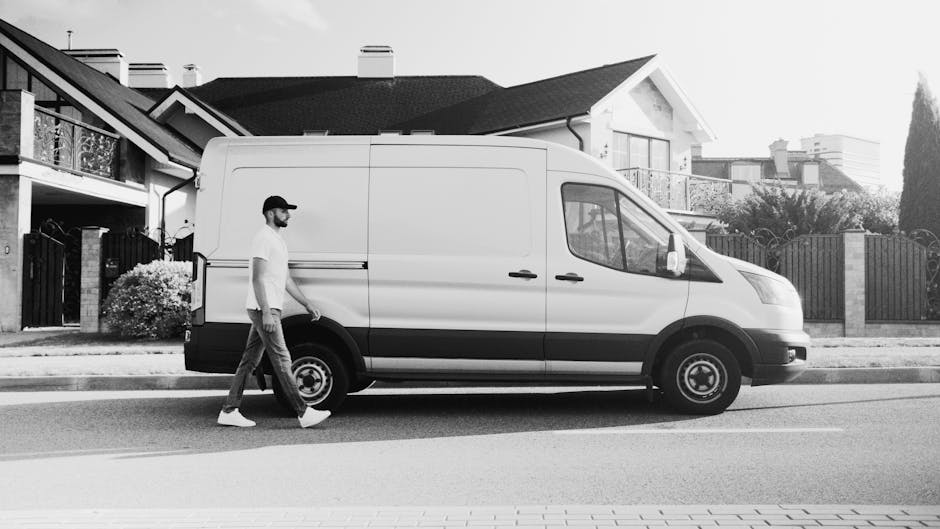
Cheap man and van Wapping versus full removals cost comparison
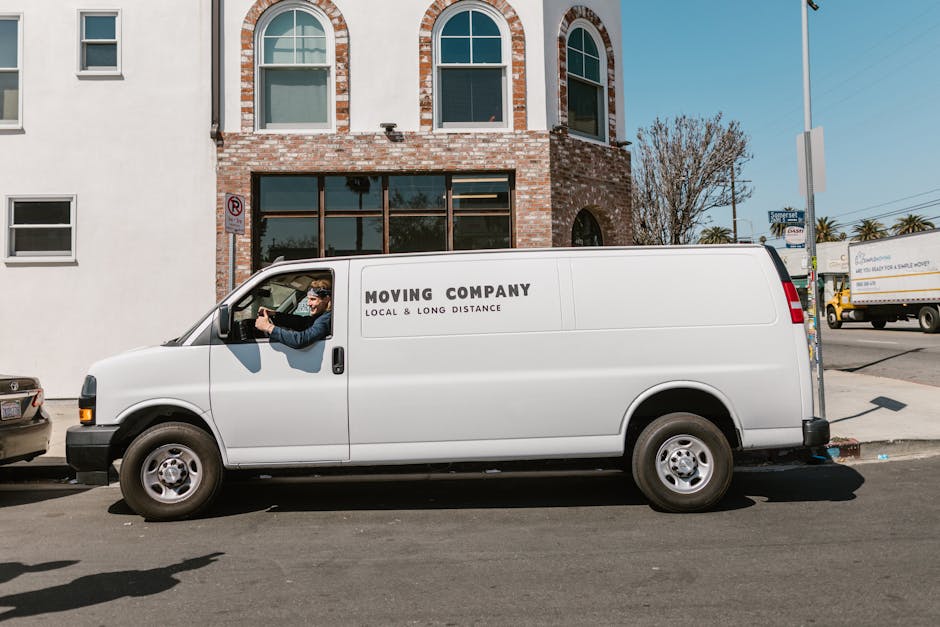
If you are trying to move in or around Wapping, the price difference between a cheap man and van service and a full removals package can feel confusing fast. One quote looks lean and cheerful; the other looks far more expensive, yet it may include the very things you would otherwise end up paying for separately. That is the real question behind the Cheap man and van Wapping versus full removals cost comparison: not just which option is cheaper on paper, but which one is actually better value for your move.
In practice, the right choice depends on volume, access, distance, packing, fragility, timing, and how much work you want to do yourself. A small studio move from a Wapping flat with decent lift access may suit a man and van brilliantly. A three-bedroom home move with awkward stairs, heavy furniture, and a strict deadline is a different animal altogether. Let's break it down properly, in plain English, so you can make a calm decision instead of a rushed one.
Why Cheap man and van Wapping versus full removals cost comparison Matters
Moving costs are easy to underestimate because the headline price rarely tells the full story. A cheap man and van quote may look attractive if you only need transport and lifting help. But if the job takes longer than expected, if parking is awkward, or if you need packing materials and extra hands, the final figure can climb. On the other hand, full removals can look dear at first glance, yet may include planning, loading, unloading, protective handling, and more reliable time management.
Wapping adds its own quirks too. Tight streets, building access, resident permits, loading restrictions, and rush-hour traffic all affect how smoothly a move runs. A bargain quote that ignores those realities can become a stressful afternoon very quickly. To be fair, no one wants to sit watching a van circle the block while a sofa blocks the hallway and the kettle is still packed away.
This comparison matters because your move is not just a transport task. It is a timing task, a lifting task, and often a coordination task as well. If you understand what you are paying for, you are much less likely to overpay for convenience or underpay for a headache.
For a lot of local moves, the difference comes down to whether you need simple transport or a managed moving service. If you are still at the early planning stage, the service overview on removal services and the pricing guidance on pricing and quotes can help you frame the conversation before you even request figures.
How Cheap man and van Wapping versus full removals cost comparison Works
A man and van service is usually a smaller, more flexible arrangement. You hire a van, a driver, and sometimes one or more helpers. The job may be charged by the hour, by the load, by the mile, or as a fixed price depending on the provider and the details you give. It tends to work well for smaller homes, single items, student moves, and straightforward short-distance jobs.
A full removals service is broader. It often includes more people, a larger vehicle, more careful planning, and the expectation that the team will handle the heavy lifting, careful loading, and the trickier parts of the move. Some moves also include optional packing support, furniture protection, and unpacking. That extra structure costs more, but it also removes a lot of friction from the day.
Here is the basic pattern:
- Man and van: lower base cost, smaller crew, more self-service, best for lighter or simpler moves.
- Full removals: higher base cost, more support, better for larger homes, fragile belongings, or time-sensitive moves.
The important bit is not just the service label. It is the scope. A cheap man and van quote can be ideal if the scope is tight and honest. If the scope is vague, the budget may wobble later. That is where people get caught out, usually in the nicest possible way until the invoice arrives.
When comparing options, the right question is: what exactly is included? Loading only? Stairs included? Waiting time? Fuel? Parking? Protective blankets? Insurance? The answer changes the value equation dramatically.
Key Benefits and Practical Advantages
The cheapest option is not always the best, but the cheapest sensible option often is. The trick is knowing where the savings are genuine.
Why people choose man and van
- Lower cost for small or medium jobs
- Flexible booking for short-notice moves
- Useful for quick collections, deliveries, and single-item transport
- Simple for students, renters, and downsizers
- Less formality than a large removal operation
Why people choose full removals
- Less lifting and organising for you
- Better suited to bulky furniture and multi-room households
- More predictable for complex access or long carrying distances
- Often less stressful on moving day
- Better when you need the job done efficiently in one go
A quiet benefit that people forget about is energy. If you are trying to save money but end up exhausted, sore, and behind schedule, the "saving" disappears. A full removals team can sometimes be the cheaper choice in real life if it reduces delays, breakages, and missed time from work.
There is also the emotional side. Moving day is noisy. Doors open and shut, tape tears, someone asks where the charger is for the third time, and everything feels slightly more chaotic than it should. A more structured service can calm that down. Sometimes that alone is worth paying for.
Who This Is For and When It Makes Sense
This comparison is most useful if you are in one of these situations:
- You are moving from a small flat or studio in Wapping.
- You have only a few pieces of furniture and boxed items.
- You are on a tight budget and can help with packing or lifting.
- You need a same-day or short-notice move and flexibility matters more than bells and whistles.
- You are comparing a few quotes and trying to avoid paying for things you do not need.
Full removals make more sense when the move is bigger, the furniture is heavy, or the day is time-critical. That includes family homes, offices, and moves where you simply do not want to coordinate the work yourself. If you are relocating a business, the planning needs are different again, which is why pages like commercial moves and office removals exist as distinct services.
For students, first-time renters, and people moving between flats, a man and van can be a neat fit. The page on student removals is especially relevant if you are moving a lighter load and want to keep costs sensible without turning the day into a logistical puzzle.
And then there are awkward special cases. A piano, antique cabinet, or awkward mattress up a narrow staircase can change everything. At that point, a fuller removals service may save you money simply by reducing risk.
Step-by-Step Guidance
If you want a fair comparison, do not start with the cheapest number. Start with the job itself.
- List everything you need to move. Count boxes, furniture, appliances, and any awkward items. Be honest. The sofa does not magically shrink because the quote is tight.
- Check access at both addresses. Floors, lift access, parking distance, staircases, and any narrow hallways matter more than people expect.
- Decide how much you can do yourself. If you can pack, carry, and dismantle furniture, a man and van may be enough. If not, full removals may be better value.
- Compare like for like. Ask whether waiting time, fuel, extra labour, and heavy-item handling are included.
- Consider time as a cost. If one service finishes in two hours and another takes all day, the cheaper quote is not always the cheaper move.
- Check insurance and terms. Make sure you understand what is covered and what is not.
- Ask for a clear quote before booking. Good providers are usually happy to explain the scope in simple terms.
If you are moving anything delicate or valuable, take a breath and think ahead. It is often the packing, not the transport, that makes the difference. The pages on packing and boxes and packing and unpacking services are useful if you need a bit more structure around the move itself.
One small but useful habit: make a quick photo inventory on your phone before the move starts. Nothing fancy. Just enough to remember what you had, where it was, and whether the scratch on the bookshelf pre-dated moving day.
Expert Tips for Better Results
After many moves, a few patterns stand out. The jobs that go smoothly are rarely the ones with the lowest sticker price. They are the ones with the clearest brief.
- Book early if possible. Better timing often means better pricing and better availability.
- Be precise about volume. "A few items" can mean very different things to different people.
- Protect the route inside the property. Door frames, corners, and stair rails are easy to scuff.
- Disassemble bulky furniture in advance. Or make sure the team knows it needs doing.
- Use storage if timing does not line up. This is especially handy if there is a gap between move-out and move-in dates. The storage option can reduce pressure when dates are messy.
- Ask about specialist handling. A piano, for example, is not the same as a bookcase. The service page for piano removals is there for a reason.
Here is a small practical truth: moving is rarely about one big problem. It is usually twenty little ones. A short driveway, a missing box cutter, a lift that is out of service, a chair that will not turn the corner. Good planning reduces the pile-up.
And if you are comparing providers, do not get dazzled by a cheap quote with no detail. A proper quote should feel a little boring, actually. Boring is good. Boring means it has been thought through.
Common Mistakes to Avoid
Cheap moves become expensive when the details are missed. A few avoidable mistakes crop up again and again.
- Choosing only on price. The lowest number can hide extra charges or a mismatch in service level.
- Underestimating access problems. Parking in Wapping can be a bigger issue than the loading itself.
- Forgetting to declare bulky or fragile items. That is how awkward surprises happen halfway through the job.
- Not checking cancellation or waiting terms. Small print matters when traffic, keys, or building access go sideways.
- Packing too late. Last-minute boxes tend to be heavier, messier, and more stressful. Funny how that works.
- Assuming all insurance is the same. It is not. Ask what protection applies to your items and under what conditions.
One common trap is booking a van that is too small. People try to save money by splitting the load into two trips, but that can increase labour time and parking complications. Sometimes one slightly larger vehicle is the cheaper choice overall. Not glamorous, but true.
Another mistake is not separating "transport cost" from "move cost". Transport is only one part of the equation. The real number includes time, lifting, materials, and your own energy.
Tools, Resources and Recommendations
You do not need fancy software to make a smart moving decision. A simple checklist, a tape measure, a notebook, and your phone camera will do a lot of the work.
- Room-by-room inventory: Helps you compare quotes fairly.
- Measurements of large items: Useful for doorways, lifts, and van size planning.
- Photos of access points: Handy if you are describing a tricky staircase or narrow entrance.
- Packing materials: Boxes, tape, protective wrap, and labels all reduce breakage and confusion.
- Quote notes: Write down whether loading, unloading, and waiting time were included.
If you are still choosing between different moving formats, the pages for man and van, man with a van, man with van, and removals can help you understand how the service types are framed on the site. They are not all the same thing, even if they are sometimes used loosely in conversation.
For households planning a larger move, the pages on home moves, house removals, and flat removals are useful starting points because they reflect the kind of move rather than just the vehicle type.
Law, Compliance, Standards, or Best Practice
When money and possessions are involved, it is sensible to think about safety, insurance, and fair trading basics. You do not need to become a legal expert, but you should know the common expectations.
In the UK, a moving provider should be able to explain its insurance and safety approach clearly. If a quote seems vague on liability, handling, or what happens if an item is damaged, that is a red flag. You are not being fussy by asking. You are being careful.
Good practice usually includes:
- clear pricing and scope
- transparent payment terms
- reasonable handling and loading procedures
- appropriate vehicle suitability for the job
- respect for property access and local restrictions
For business moves, there can also be an added need for planning around downtime, item tracking, and secure handling of equipment. The pages on office relocation services and office removals speak directly to that type of need.
If sustainability matters to you, it is worth asking how unwanted furniture or packing waste is handled. The site's recycling and sustainability page is relevant here, especially if you are clearing out before or after a move.
Also, read the terms and conditions before booking. That is not a thrilling bit of the process, granted, but it can save an unpleasant surprise later. And yes, the dull bits are often the expensive bits.
Options, Methods, or Comparison Table
Below is a practical comparison to help you weigh a cheap man and van against a fuller removals package. The ranges are intentionally broad because every move is different, and quoting should always reflect the actual job.
| Factor | Cheap man and van | Full removals |
|---|---|---|
| Typical use | Small moves, single items, student moves, light flat moves | House moves, larger flats, offices, fragile or bulky jobs |
| Base price | Usually lower | Usually higher |
| Labour included | Often limited or smaller team | More hands and more support |
| Packing help | Sometimes not included | More likely to be available |
| Speed on the day | Can be quick for simple jobs | Better for larger or more complex moves |
| Stress level | Lower if the move is simple and well prepared | Lower if you want hands-off support |
| Best value when | You can pack and manage most of the work yourself | You want fewer risks and less physical effort |
In everyday terms, a man and van is a bit like hiring a capable mate with a van and some structure around the job. A full removals service is more like hiring a moving team that expects the whole process to run smoothly from first box to final placement. Both have a place. Neither is automatically better.
If you are comparing vehicle options as well as labour, pages such as removal van, removal truck hire, and moving truck can help you think about capacity and suitability, not just price.
Case Study or Real-World Example
Here is a realistic example based on the kind of move people in Wapping often face.
A couple are moving from a one-bedroom flat near the river to a slightly larger place a few streets away. They have a bed frame, two wardrobes, a sofa, a dining table, six boxes of books, and the usual mix of kitchen bits, lamps, and coats that somehow multiply when no one is looking.
Option one is a cheap man and van quote. It looks attractive because the distance is short and the job seems simple. But once they think it through, they realise they would need to dismantle furniture, carry everything down two flights of stairs, manage parking, and do most of the boxing themselves.
Option two is a fuller removals service. The price is higher, but the team will handle the heavy lifting, bring the right vehicle, and reduce the time spent scrambling around on the day. In this case, the couple decide that paying more is reasonable because both of them are working the next day and really do not want to spend the evening nursing sore shoulders and arguing over where the screw packets went.
That is the sort of decision this article is meant to help with. Not "which is cheapest?" but "which is cheapest for this exact move, in this exact street, with this exact load?" Tiny detail, big difference.
Practical Checklist
Use this before you book anything.
- Have you listed all items to move?
- Do you know whether your access is easy, average, or awkward?
- Have you checked if stairs, lifts, or long carries apply?
- Have you measured the large furniture pieces?
- Do you know whether you will pack yourself or need help?
- Have you asked what the quote includes and excludes?
- Do you understand the payment terms?
- Have you considered storage if your dates do not line up?
- Have you made a note of fragile or high-value items?
- Have you compared at least two realistic options, not just one cheap number?
If you get these basics right, the move usually feels more manageable straight away. It does not have to be perfect. Just properly thought through.
Conclusion
The best way to compare a cheap man and van against full removals in Wapping is to look beyond the headline quote and assess the real job. Small, simple, well-prepared moves often suit a man and van service and can save a decent amount. Larger, trickier, or more time-sensitive moves usually benefit from a full removals package, even if the upfront cost is higher.
So the smart question is not "which is cheapest?" It is "which gives me the best value for this move, with the least stress and the fewest hidden costs?" Once you ask it that way, the answer becomes clearer. Usually much clearer.
If you are still weighing up your options, take a moment to review your inventory, access, and timing, then compare the service level rather than the price alone. That one shift tends to save people money, time, and a fair bit of frustration.
Get a free quote today and see how much you can save.
Frequently Asked Questions
Is a man and van always cheaper than full removals?
Usually, yes at the quote stage. But the final cost depends on how much help you need, how long the job takes, and whether any extras are charged separately. A cheap quote can become less cheap if the move is bigger than expected.
When is full removals better value than a cheap man and van?
Full removals often make better value when the job involves lots of furniture, stairs, fragile items, poor access, or a tight moving window. If you would otherwise need to hire extra help or make multiple trips, the fuller service can work out better overall.
What makes moving in Wapping more expensive?
Parking pressure, narrow streets, loading access, building restrictions, and time lost moving items in and out can all increase the practical cost. Even a short distance move can take longer than expected if access is fiddly.
How do I know if I need a man and van or removals?
Ask yourself how much you can pack and lift on your own, how many items you have, and whether the move is straightforward. If the answer is "not much, quite a lot, and no," full removals may be the safer bet.
Do removal companies help with packing?
Some do, and some offer it as an extra service. If you need support with boxing, wrapping, or unpacking, check options such as packing and unpacking services before you book.
Can I save money by doing the packing myself?
Yes, often you can. Self-packing usually reduces labour time and can make a man and van service more efficient. Just make sure the boxes are strong, sealed properly, and not overloaded with books or other heavy bits.
Are cheap moving services safe for fragile items?
They can be, but only if the provider knows what is being moved and the items are packed appropriately. For valuable or delicate things, ask about handling methods and insurance before you book. If in doubt, be cautious.
What should be included in a moving quote?
A useful quote should explain labour, vehicle type, estimated time or fixed scope, and any likely extras such as waiting, stairs, or long carries. If it is vague, ask for clarification. Vague quotes are where misunderstandings grow legs.
Is same-day moving more expensive?
It can be, because availability is tighter and the schedule is harder to plan. If you need a rapid move, the same-day removals option may be the more practical route, but expect the price to reflect the short notice.
What if I need to store items between moves?
Temporary storage can help when completion dates do not line up or you are downsizing and need time to sort through things. In those cases, storage can stop the move becoming chaotic.
Should I choose the cheapest quote I get?
Not automatically. Compare what is actually included, not just the number at the bottom. The cheapest option is only good value if it covers the work you genuinely need and does not create hidden costs later.
Where can I check more about safety and payment?
If you want to understand how a provider handles these basics, the site's insurance and safety and payment and security pages are sensible places to start. They are the sort of details that matter once the boxes are already stacked by the door.